Can AI Rebuild Worlds Around Real Actors?
Real performances, impossible locations: how AI-hybrid VFX works when the director still wants the actors to act.
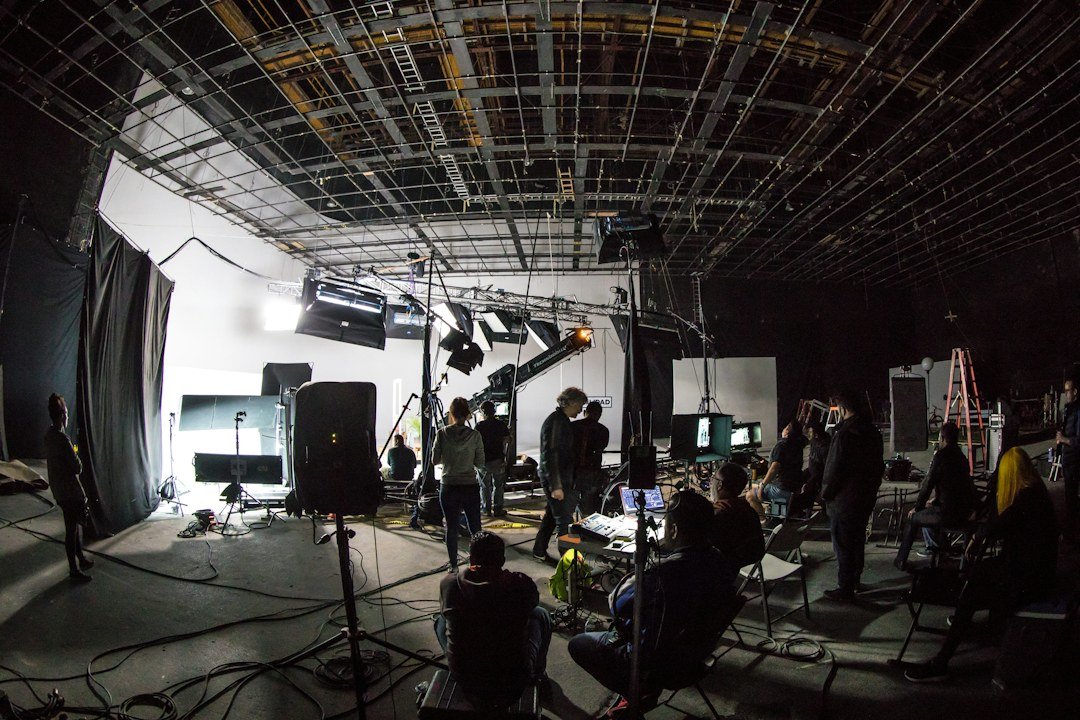
Real performances, impossible locations: how AI-hybrid VFX works when the director still wants the actors to act.
Yes, an actor can stay real while the world changes
AI-hybrid VFX keeps a filmed human performance and changes or builds parts of the scene around it. The performer can act in front of green screen while the production designs a palace, spacecraft, rainy city or fantasy kingdom behind them. In other cases, AI assists with set extensions, wardrobe enhancement, cleanup or environment variation.
The crucial word is hybrid. This is not automatically an AI version of the actor. A director can preserve actual timing, eye contact and micro-expressions from the plate while using AI-generation and conventional VFX where they make sense.
That sounds like a dream until the invented marble floor forgets where the actor's boots should touch it. Without tracking, compositing and careful direction, the performance and environment can look like two strangers attending the same party.
The workflow that separates a film from a filter
A credible production begins with the screenplay and the emotional purpose of the scene, then with camera language, location references and blocking. If an actor sits at a table, there needs to be a table at the correct height, eyelines toward the correct partner and a believable shadow beneath every contact point.
Sinfluent's preferred method establishes 3D spatial blocking for key environments. Client-supplied actor footage and approved asset references are positioned against the scene design. The team may build character or wardrobe reference passes and plan motion across the shots before generating backgrounds or environmental effects.
Then come the unfashionable but vital parts of filmmaking: plate assessment, camera tracking, keying, matte cleanup, light matching, shadows, edge integration, color management, editorial review and sound. A great background does not excuse a green halo around the actor's hair.
Where hybrid is better than replacing everyone
Hybrid workflows are especially useful when a scene depends on emotional acting, complex dialogue or existing performances that a production needs to preserve. A subtle argument can rely on an actual human performance while the city outside the window is built digitally. Period stories can gain locations that would be impractical to stage in a small-budget shoot. Science fiction can replace the world without asking the performer to become a synthetic stranger.
But hybrid is not automatically the cheapest approach. If the source plate has handheld motion, poorly lit green edges, motion blur and hair crossing the background constantly, cleanup may consume a surprising amount of time. A controlled reshoot can sometimes cost less than trying to rescue a difficult plate.
For fully fictional creatures, extreme action or worlds with almost no live-action element, AI-native generation may be more suitable. The correct studio should say so rather than forcing a favorite technique onto every script.
What should the producer deliver before shooting?
- Approved storyboard, intended environment and camera framing for each scene
- Camera and lens information where available; consistent exposure, white balance and motion settings
- Clean source footage and any required tracking markers, reference plates or lighting references
- Character, costume and prop approvals with written usage permissions
- A shot list identifying what is practical, generated, composited or replaced
- Clear master specs, editorial review windows and audio ownership
The earlier you settle those choices, the fewer surprises appear in post. An improvisational set can be artistically exciting; an improvisational rights agreement is less charming.
Keep the actor’s agency and the film’s integrity
Changing an environment is not legally or ethically identical to generating a new performance or voice. Secure the relevant rights for the footage and obtain specific consent when you plan material likeness, performance or dialogue manipulation. The SAG-AFTRA commercials framework distinguishes traditional effects from digital-replica use under covered agreements; national rules and contracts can differ.
A production worth commissioning can explain where human performance ends, AI intervention begins and who approves the result. It also delivers the soundtrack, mix and final edit coherently, not as an assortment of remarkable but incompatible clips.
That is Sinfluent Media's central proposition in hybrid VFX: keep the performance human and make the world feel cinematic. If your brief needs real actors in an impossible place, use the production timeline guide to plan a pilot and a realistic finish. The AI-hybrid VFX production process brings these stages together.
Quick Questions, Straight Answers
Do actors have to perform on a green screen?
No. Green-screen footage makes isolation easier in many cases, but suitable live-action footage can sometimes be tracked, masked or enhanced.
Can AI change an actor’s wardrobe without changing their face?
Sometimes, with careful references, tracking and compositing. Difficult movement, transparency and lighting still require shot-by-shot review.
Does hybrid VFX remove the need for traditional post-production?
No. Tracking, rotoscoping, lighting, grading, cleanups, editing and sound remain essential to a professional master.