AI Microdrama Production Costs Might Surprise You in 2026
What AI microdramas really cost in 2026—and why the quote per minute is only half the story.
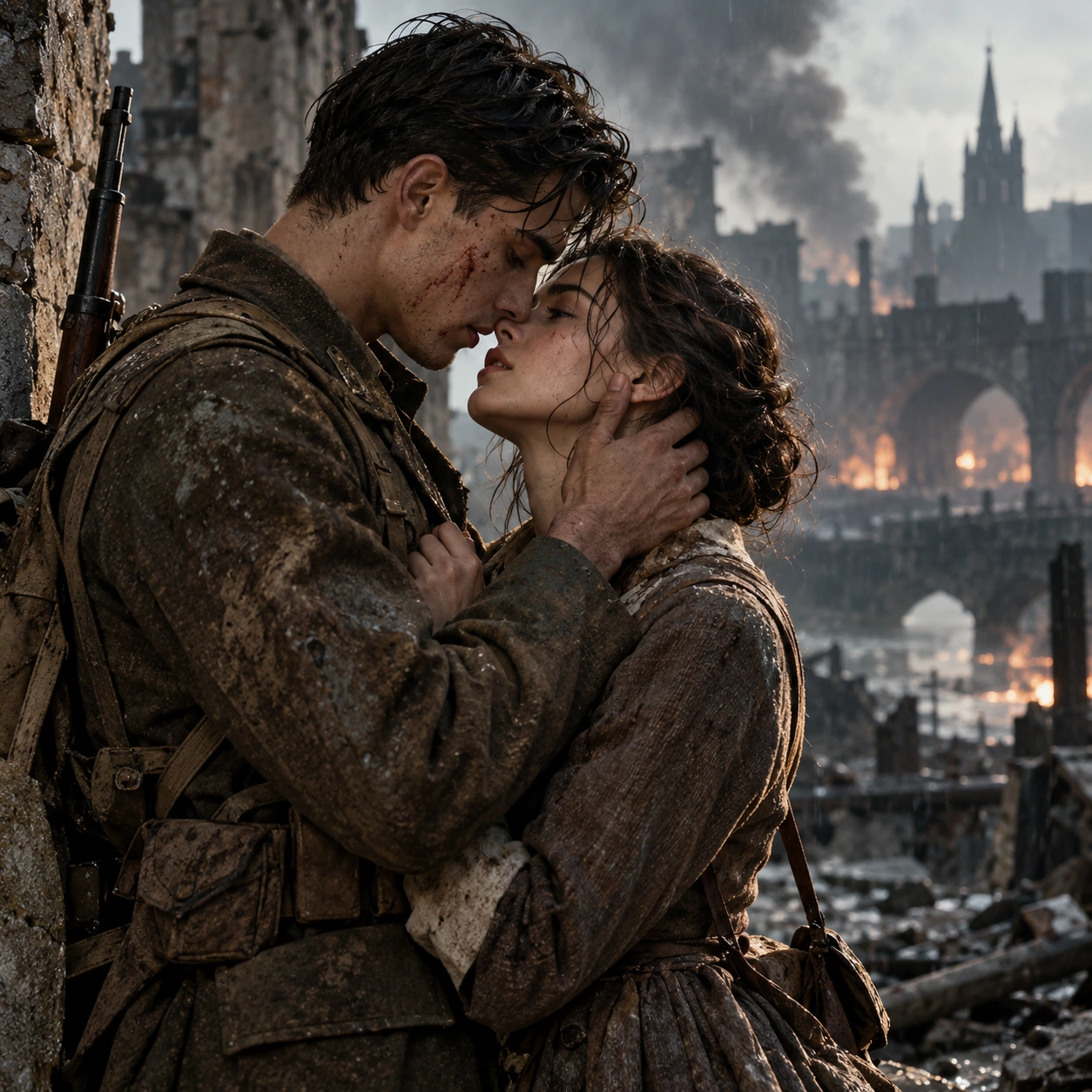
What AI microdramas really cost in 2026—and why the quote per minute is only half the story.
The real answer: AI video is cheaper only when the workflow is smarter
In 2026, AI microdrama production is priced by finished minutes, creative complexity and delivery requirements—not by the cost of pressing Generate. A one-minute episode with two people at a kitchen table can cost less than sixty seconds of supernatural combat, elaborate costume changes and five emotional close-ups. Both are “one minute.” So is a minute in a dentist's chair, but you wouldn't price all three the same.
AI can reduce filming and set-building costs, but character continuity, screenwriting, editorial direction, audio, rights and revisions remain real work. The useful comparison is not “AI token cost versus a camera rental.” It is the full cost of a finished, legally usable master that audiences actually want to watch.
The market itself is substantial: Sensor Tower’s 2026 short-drama report estimated over 850 million app downloads and roughly US$750 million in in-app purchase revenue in Q1 2026 across the category. Those are market estimates, not an earnings promise for any individual series.
Three production methods, three different budgets
AI-native: The film is built primarily from generated characters, environments and performances, with human scriptwriting, direction, editing and sound. Useful for new fantasy worlds or stories where practical filming would be expensive. The main risks are acting nuance, continuity and complex motion.
AI-hybrid VFX: Actors are filmed and their performances are integrated into generated or digitally enhanced environments. The film preserves human acting but adds green-screen cleanup, matching, tracking, compositing and sometimes wardrobe enhancement. This can be more controllable for dialogue-heavy scenes, though poor footage creates expensive repairs.
AI remake localization: An existing licensed title is adapted for another market, potentially replacing visual environments, characters, language performance or voices while preserving approved story structure and timing. This is not ordinary dubbing, and it needs clear underlying IP and performer permissions.
Buying the wrong technique because its teaser looks cheaper can lead to expensive surprises. A good producer helps you choose the method that matches the story, not the method with the loudest demonstration video.
A realistic budget model—not a universal price list
When a quote is expressed per finished minute, calculate total deliverable runtime first: episode count × average finished seconds ÷ 60. At 60 episodes of 90 seconds each, you are commissioning 90 finished minutes—not 60. Now multiply by the quoted rate and add separately scoped work.
For illustration only, a hypothetical US$300–$600 per finished minute production scope would imply US$27,000–$54,000 for those 90 finished minutes before exclusions, special VFX, writing, licensing or major scope changes. This is arithmetic, not a market average, guaranteed Sinfluent quote or promise that every style fits this range.
- 10 × 60-second episodes = 10 minutes; illustrative base US$3,000–$6,000
- 20 × 90-second episodes = 30 minutes; illustrative base US$9,000–$18,000
- 40 × 90-second episodes = 60 minutes; illustrative base US$18,000–$36,000
- 60 × 90-second episodes = 90 minutes; illustrative base US$27,000–$54,000
Do not compare these illustrations with another vendor's price unless the work, rights, delivery specs and approvals match. The cheap quote may exclude the scene that sells the entire episode.
What quietly doubles an apparently wonderful quote?
The biggest budget variables are cast size; close-up intensity; action; environments; costume changes; product or prop accuracy; required native resolution; revisions; multilingual delivery; licensed music; and delivery formats. A stable interior romance can reuse assets. A dystopian chase with rain, fire and a rotating cast demands new solutions on nearly every shot.
Quality matters too. “4K” may mean a smaller AI image enlarged during finishing. Ask whether the original video was produced at native 1080p, whether 4K is upscaled and what artifacts appear in motion. For vertical apps, stable 1080p can be a better commercial decision than an artificially sharpened 4K badge. See our resolution comparison.
And please read the revision clause. “Unlimited revisions” can mean unlimited editorial tweaks, not unlimited fresh generations of an entire action scene. Both types must be described clearly.
The Sinfluent way to protect quality and budget
Sinfluent Media uses a studio-developed, human-directed workflow built around script and pitch approval, storyboards, 3D environment blocking, character reference and animation planning, generation, continuity review and cinematic finishing. Reusing approved references can reduce wasted attempts across a series. It cannot promise zero regeneration or identical costs for every episode. Review our AI microdrama production portfolio when comparing production scope and deliverables.
When appropriate, the scope can include screenwriting, soundtrack and SFX, subtitles and a master edit. Production agreements should state generation revision rounds, master-edit changes, licensing and payment milestones. That clarity protects the story and the relationship: nobody wants the third-act betrayal to be discovering what “included” actually meant.
Before signing for 40 or 60 episodes, commission a representative pilot—preferably the most difficult dialogue or continuity scene. A test can reveal more about quality and risk than an ambitious slide deck. Use this studio selection checklist when comparing bids.
Quick Questions, Straight Answers
What is the safest way to compare microdrama quotes?
Compare finished running time, native output quality, number of characters and locations, scope, audio, rights and revision terms.
Does 60 episodes automatically cost six times more than 10?
Not necessarily. Reusable character and environment assets help, but added scenes, approvals and creative complexity still carry costs.
Can a one-minute pilot reduce budget risk?
Yes. It exposes consistency, casting, location and audio problems before they spread across a full season.