Who Owns the Copyright and Commercial Rights to AI Films?
Who owns an AI film in 2026? Separate human authorship, client contracts, model terms, likeness rights and music licenses.
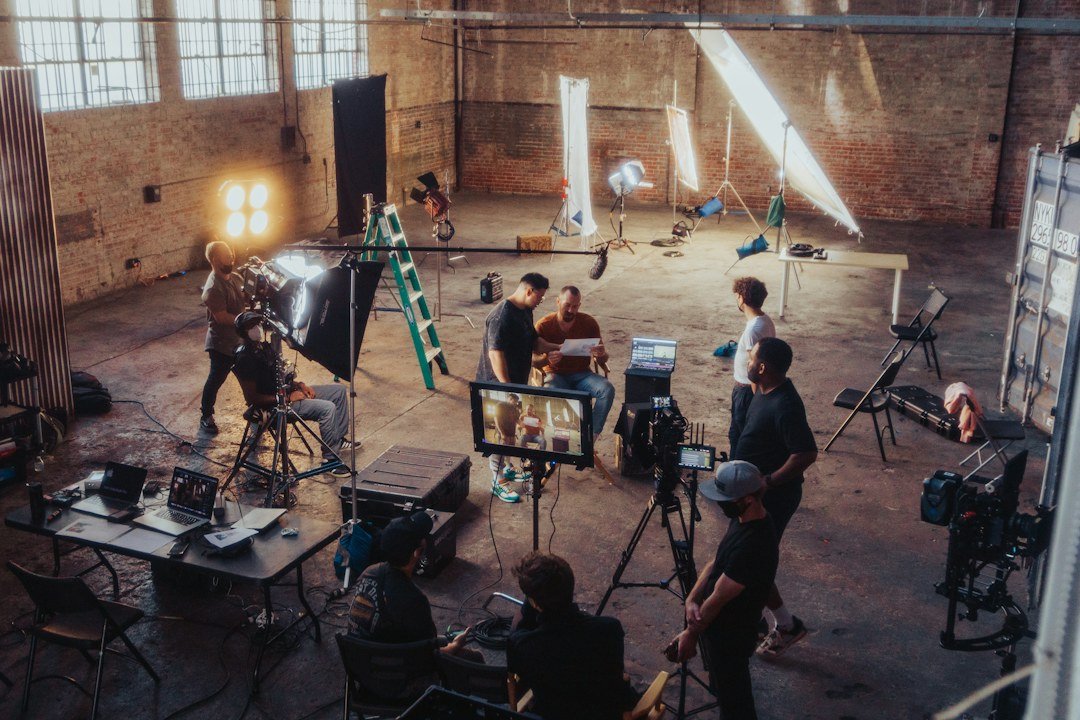
Who owns an AI film in 2026? Separate human authorship, client contracts, model terms, likeness rights and music licenses.
Buying a finished video and owning its rights are not the same question
Copyright and commercial usage rights in AI films depend on the human creative contribution, contracts, underlying material and the laws of the relevant countries. A production invoice proves that someone paid for work. It does not automatically answer whether the buyer owns the screenplay, music, characters, voice replicas or rights to every generated frame.
Imagine paying for a gorgeous AI commercial, then discovering the soundtrack was licensed only for a thirty-day social campaign and the actor release excluded synthetic dubbing. The invoice may look immaculate. The distribution plan now has a plot twist nobody wanted.
Separate two questions from day one: what copyright can legally exist? and what rights does the agreement give this particular client? They interact but are not identical.
Human creative control matters—especially in the United States
The U.S. Copyright Office’s 2025 report on copyrightability explains that original human expression can remain protected when AI assists the work, while purely AI-generated output without sufficient human authorship does not automatically qualify. Whether creative selection, arrangements, edits and modifications are sufficient depends on the specific work.
A long prompt is not a magic copyright certificate. By contrast, original writing, performance, scene selection, editorial construction and deliberate human modification can be important to the protectable parts of a film. Production records matter because they help explain where the human creative decisions occurred.
Rules differ across countries. Do not extrapolate one U.S. conclusion to India, the EU, Australia or every distribution territory. For material international releases, obtain appropriate counsel before presenting a rights warranty to a buyer.
The five layers a producer must actually clear
1. Story rights: script, adaptation permission, underlying book or film IP, character names and any pre-existing franchises.
2. Visual work: filmed plates, source photographs, client logos, licensed references, output and any third-party stock assets.
3. Human identity: actor performance releases, publicity/privacy permissions, digital replicas, face and voice use.
4. Music and audio: composition, master recordings, synchronization, sound effects and voice performances.
5. Distribution: regions, media, exclusivity, languages, term, sublicensing and adaptation rights.
A client may have excellent rights in four layers and one unresolved license that blocks the entire campaign. The goal is not to generate piles of paperwork for sport. It is to make sure the finished film can be shown, sold and repurposed where promised.
Read model terms and know what they do not solve
Commercial-use terms for generation platforms can affect outputs, confidentiality and acceptable uses. Those terms may change and may vary by plan or product. A platform saying that users may commercially use generated material is not a universal warranty that the material contains no third-party rights or that every human face in it is free to exploit.
If the film uses real actors, original music, existing footage or trademarks, those elements need their own chain of permissions. If a vendor offers “all rights transferred,” ask for a schedule identifying which rights the vendor actually owns, which are licensed, and what remains subject to third parties.
For commissioned AI-hybrid or remake work, also clarify whether the production studio may reuse raw performer assets, generated likeness files, references or unreleased clips. Strong studios protect commercial relationships with clear scope and secure asset handling, not vague assurances that “AI owns nothing anyway.”
A better contract and a more defensible film
Ask for a written rights schedule covering deliverables, ownership/assignment where legally possible, licenses, territory, duration, excluded materials, performers, model/platform terms, modification rights, credit, confidentiality, revisions, payment milestones and responsibility for clearance. The contract should say what happens if the buyer later requests new countries, channels or AI-generated variants.
Sinfluent Media's human-directed approach involves script planning, storyboards, 3D scene blocking, approved character and environment references, generation supervision and master editing. That workflow can create a clearer record of human creative decisions. It is not a claim that every AI shot automatically receives copyright in every jurisdiction. The studio production workflow explains how creative decisions are documented throughout a film.
The business advantage is that creative craft and traceable rights support each other. Buyers do not just want a beautiful frame. They want a frame they can legally put in front of a paying audience. Read our performer consent guide before commissioning a remake or AI voice.
Quick Questions, Straight Answers
Does paying an AI film studio automatically transfer every right?
No. The agreement should specify ownership, licenses, territories, underlying IP, performances and any rights the studio cannot grant.
Can AI-generated visual material be copyrighted in the United States?
Human-authored original expression and qualifying human arrangements or modifications may be protectable; purely machine-generated material without sufficient human authorship is not.
Can an AI commercial be distributed worldwide under one contract?
Possibly, but only if the chain of rights, performer releases, third-party assets and local rules support the planned markets and uses.