Do AI Video Ads Actually Work in 2026?
The visuals are getting frighteningly good. The production bills can be smaller. But can an AI-made commercial actually make someone care enough to buy?

The visuals are getting frighteningly good. The production bills can be smaller. But can an AI-made commercial actually make someone care enough to buy?
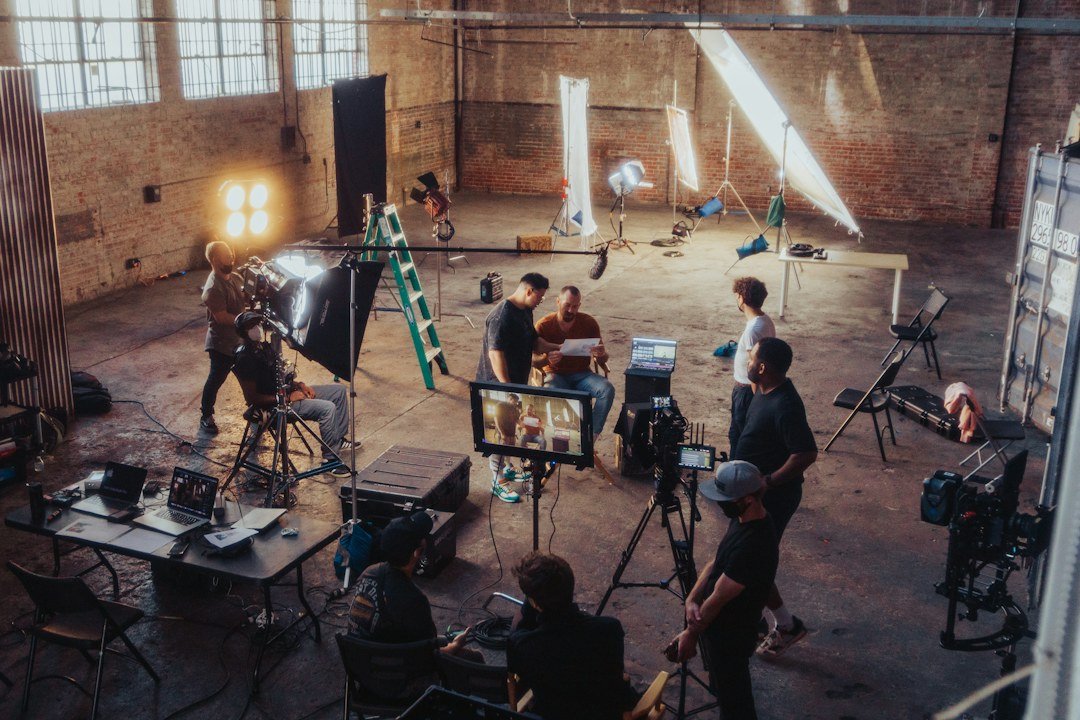
Picture a thirty-second perfume commercial: rain on a Parisian street, an impossibly elegant stranger and a camera gliding through a café as though somebody gave it wings. Ten years ago, shooting it would have involved location permits, crew, actors and a budget discussion nobody particularly enjoyed. In 2026, much of that world can be created with AI. The perfume, however, still has to sell.
That is the deliciously awkward truth behind the AI advertising boom. We can generate incredible images faster than ever, but viewers don't reward a brand for saving money on production. They reward it with attention, trust and, occasionally, their credit card.
The Short Answer: Yes, AI Video Ads Can Work. Here's the Catch.
AI-generated video ads can be effective, especially when believable visuals meet a genuinely good idea. They can open up ambitious creative concepts, speed up production and help brands test different messages without rebuilding a campaign every time. But AI doesn't automatically increase sales or return on advertising spend. A beautiful video promoting a product nobody wants remains a beautiful video promoting a product nobody wants.
And the research is more interesting than either the AI evangelists or the doom merchants might have you believe.
What the 2026 Research Actually Tells Us
The Interactive Advertising Bureau’s 2026 report found that nearly two-thirds of digital video ad buyers were using generative AI for creative production, with about a third of their video assets expected to involve it that year. Clearly, AI isn't waiting outside the advertising industry asking politely to be let in.
Effectiveness is a different question. In a 2026 Ipsos–Syracuse University study, 3,000 US consumers evaluated 20 commercials, half human-made and half generated entirely using AI from comparable creative briefs. Human-made ads scored, on average, 14% higher on Ipsos's predicted short-term effectiveness index and 17% higher on its long-term index. Those were modeled effectiveness scores, not measured sales, and the AI commercials had no human creative intervention. That's an important distinction.
Now for the encouraging part. Kantar’s research into hundreds of ads incorporating AI found that more than 40% of those with seamlessly integrated AI landed in the top tier for branded cut-through. Ads with conspicuous, unnatural AI details tended to perform worse. Different studies, different methods, but a useful shared message: the problem isn't necessarily AI. It's making an ad that feels artificial.
Why Realism Can Make AI Ads Remarkably Persuasive
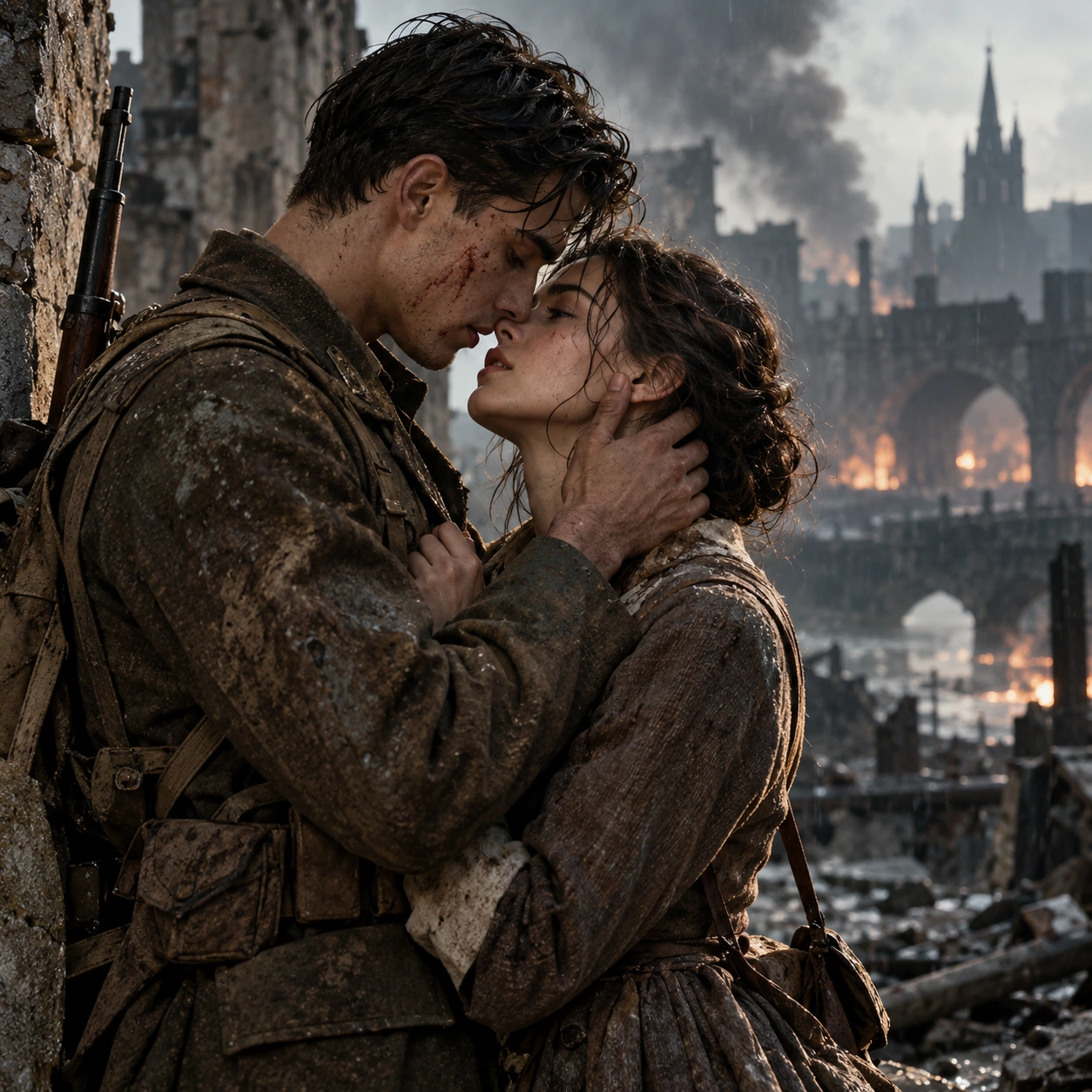
Imagine a jewellery advertisement in which a woman opens a small velvet box. Her fingers move naturally, the reflection on the ring behaves like real light and the tiny, involuntary smile on her face feels genuine. You're watching a moment, not inspecting a visual effect. That's where realistic AI filmmaking can work wonders: it keeps attention on the emotion and the product instead of the machinery that created the scene.
Now imagine her ring changes shape between shots, her eyes focus somewhere behind the camera and the box briefly acquires an extra hinge. The viewer may still watch, but for reasons the advertiser probably didn't intend. We've all seen ads where the most memorable character is an accidental sixth finger.
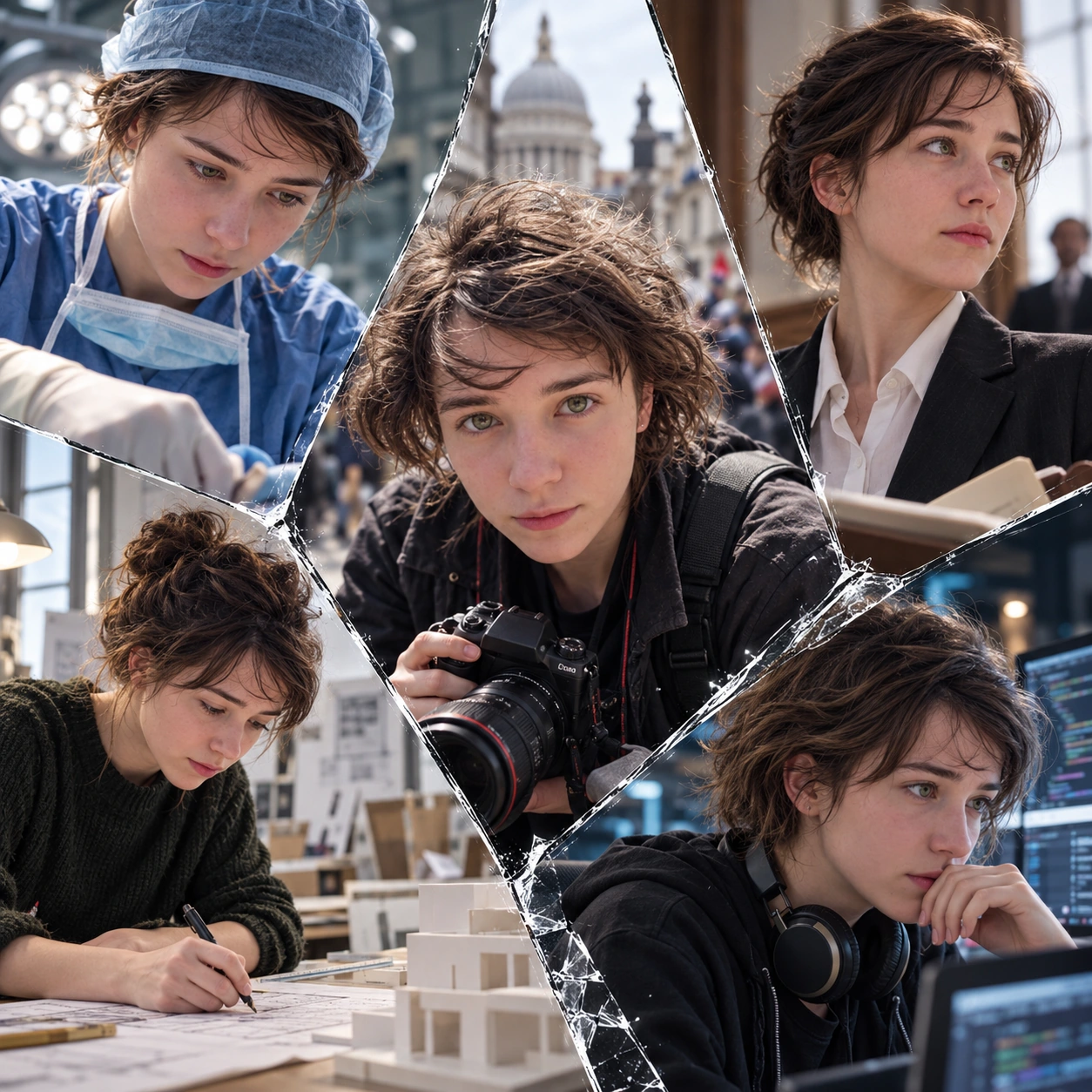
Realism isn't simply about ultra-sharp skin or expensive-looking lighting. It's consistent faces, natural gestures, believable spaces, accurate products and shots that make visual sense together. Crucially, the story needs to feel real too. An ad can simulate a tear perfectly and still leave the audience cold if no one understands why the character is crying.
Of course, not every campaign should look documentary-real. A chocolate bar orbiting Saturn can be wonderful if the concept is deliberately fantastical. The goal is not compulsory realism; it's convincing execution of the chosen creative world. For human-centered commercials, believable performances and continuity can be the difference between immersion and immediate suspicion.
The Real Commercial Advantage: Bigger Ideas, Fewer Production Obstacles
AI-native production can make ambitious locations, stylized product worlds and multiple creative variations more accessible. A travel brand can imagine several destinations without filming in every country. A fashion label can test contrasting visual directions before committing to a campaign. And a company entering new markets can consider culturally adapted versions instead of assuming one commercial will speak equally well to everyone.
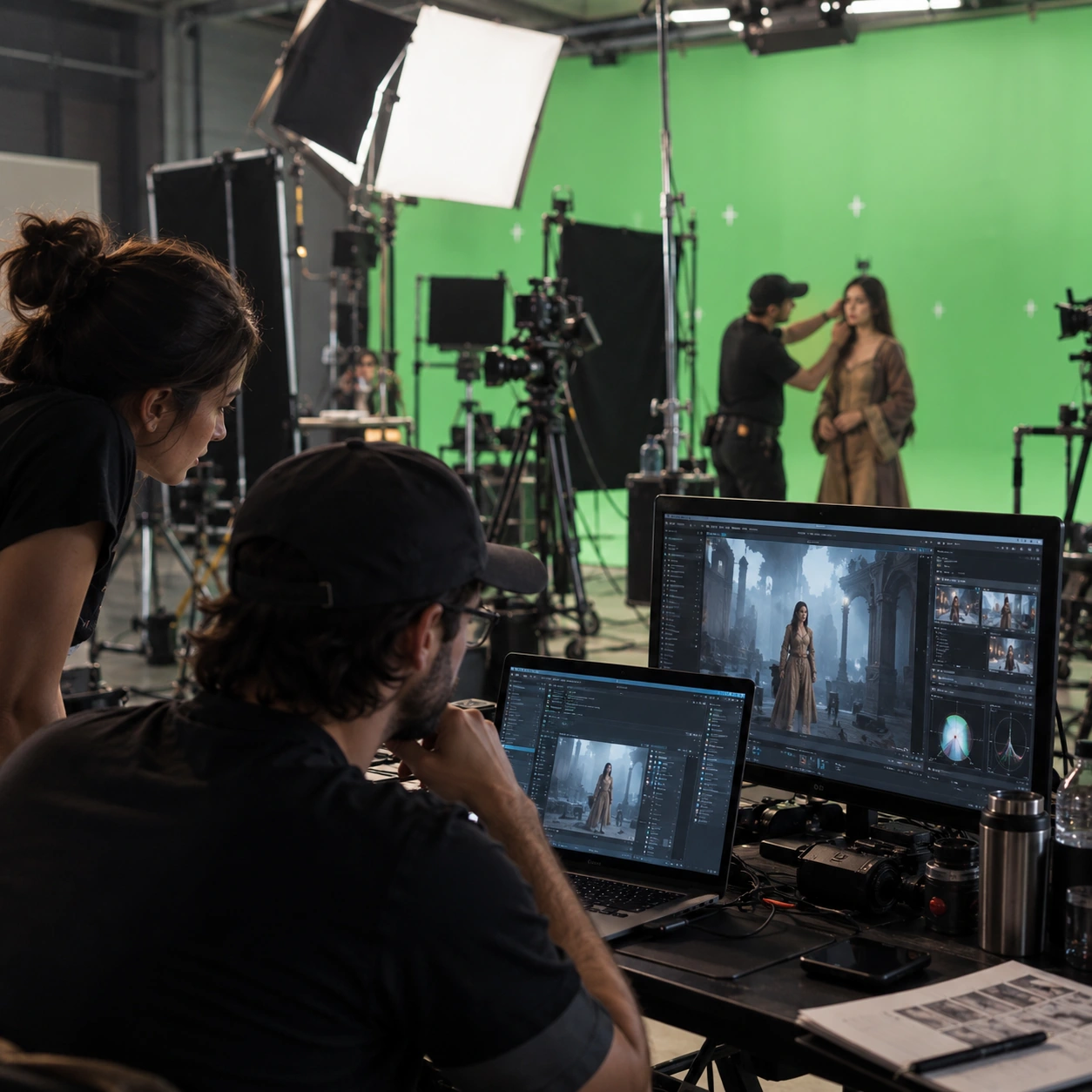
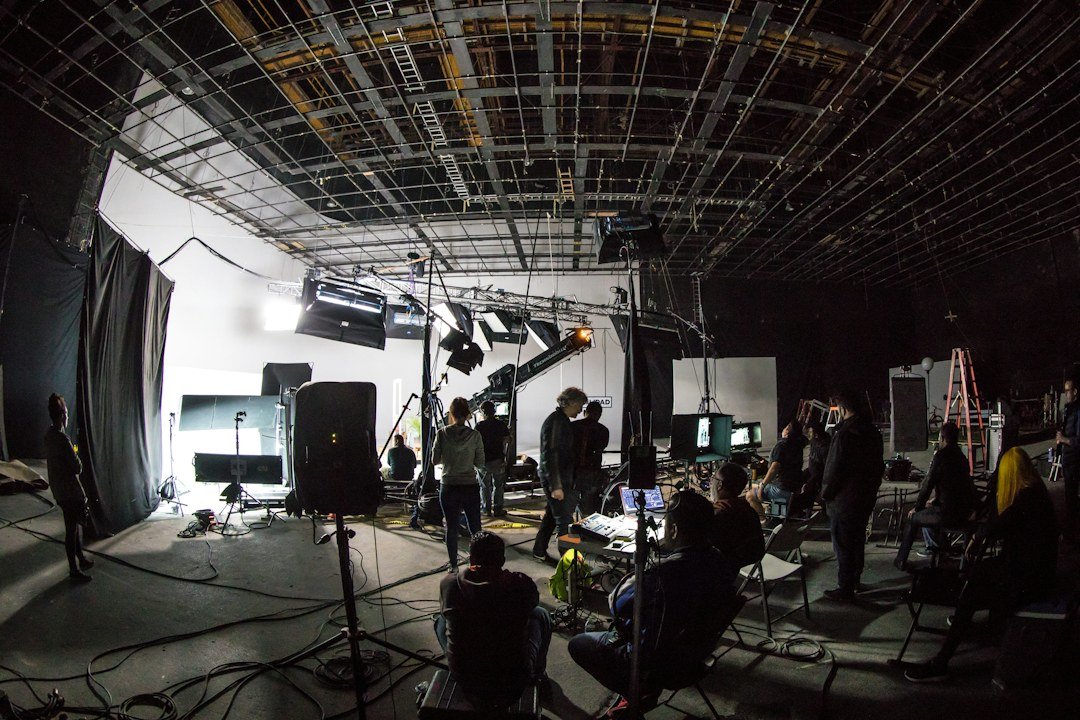
When the emotional core of an ad depends on human acting, AI-hybrid production offers another option: film real performers and use AI-assisted environments, visual effects and finishing to build the world around them. The audience gets the intimacy of a human performance, while the brand gains creative flexibility. Neither approach guarantees lower costs on every project; editing, consistency checks, rights clearance and quality control still exist. Sadly, the computer has not yet learned to approve its own final cut responsibly.
This is the interesting space occupied by Sinfluent Media, a studio built around human-directed AI-native production and AI-hybrid VFX. Rather than treating a generated shot as the finished advertisement, the approach focuses on believable characters, controlled visual worlds and cinematic finishing.
But Will People Trust It, and Will It Convert?
Trust is where realism needs discipline. A believable fictional scene can help someone engage with a story, but a believable false product claim is still a false claim. Advertisers need to represent products accurately, secure necessary likeness and content rights and follow relevant disclosure rules.
And please don't confuse views with victories. A million people watching a striking AI commercial means little if none remember who made the product. Brand-awareness campaigns should examine recall and brand lift; lead-generation campaigns should examine qualified inquiries and acquisition cost; sales campaigns should look at conversions, return on ad spend and ideally incremental profit.
The Verdict: The Future Belongs to Ads That Don't Feel Like a Shortcut
AI video advertising is already useful, and when realism, storytelling and thoughtful direction come together, it can be genuinely powerful. It offers brands more creative freedom, faster experimentation and, in suitable productions, a more manageable route to cinematic work. The strongest evidence doesn't say AI always beats traditional filmmaking; it says seamless execution and a strong idea beat novelty for novelty's sake.
The camera might be virtual, the street might never have existed and the actor might be partly generated. The person watching is real. Make them feel something real, and the technology can finally do what advertising needs it to do.
A six-point reality check before a brand spends money
Before approving an AI commercial, ask whether the creative would still be persuasive if nobody mentioned AI. A brand does not get a conversion bonus for owning the newest model. It gets results by making the right people notice the right promise and remember the right product.
- Product accuracy: Is the packaging, color, shape and claim actually correct in every shot?
- Realism where needed: Do faces, fingers, reflections, fabric and movement remain convincing at normal speed?
- Creative hook: Does the first moment give the right audience a reason to care?
- Human direction: Are acting beats, shot choices and pacing serving a story rather than a prompt demo?
- Rights and disclosure: Are performers, voices, music and distribution channels covered by the brief and local rules?
- Measurement: What is the actual success metric—brand lift, qualified enquiries, sales, attention or something else?
The Sinfluent Media approach is to work through story and look development, storyboard and spatial planning, controlled character references, AI-native or actor-led hybrid production, continuity review, editing, music and sound. Its studio-developed workflow aims for believable cinematic quality within a defined budget. The deliverable to judge is the finished ad, not the number of model calls made along the way. That is also the focus of our cinematic AI commercial production offering.
When testing results, compare similar audiences, spend and placements, with a meaningful creative control. A win from better distribution should not be misreported as proof that AI itself converts better. See how to choose a production studio before commissioning the campaign.
Quick Questions, Straight Answers
Are AI video ads cheaper?
Often, particularly for elaborate locations, variations or visual effects. Compare complete finished productions, though, not raw generation costs.
Can realistic AI ads out-
performoutperform traditional ads?
They can in individual campaigns, but no credible evidence shows they always do. Realism helps when it supports trust, immersion and strong creative direction.
Should brands choose AI-native or AI-hybrid?
AI-native suits imaginative, fully generated worlds; AI-hybrid can preserve real performances while transforming the setting. Choose for the story, not for the buzzword.